



「testamento」の例文例文
「testamento」のレベル別の例文
- 入門(A1〜A2)
Mi abuela no tiene testamento.
私の祖母は遺言書を持っていません。
- 中級(B1〜B2)
La familia descubrió que él había cambiado su testamento antes de morir.
家族は、彼が亡くなる前に遺言内容を変更していたことに気づきました。
- 上級(C1〜C2)
Los familiares impugnaron la validez del testamento alegando que el fallecido no estaba en pleno uso de sus facultades mentales.
親族は、故人が正常な判断能力を欠いていたと主張して遺言の有効性に異議を申し立てました。
- 日常会話
Tranquilo, aún eres muy joven para pensar en escribir tu testamento.
落ち着いて、遺言書を書くことを考えるには君はまだ若すぎるよ。
「testamento」のコアイメージコアイメージ
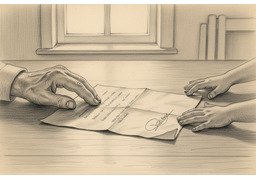
最後の意思と遺産の分け方を文書で示す場面
「testamento」の使い方使い方
-
Después de hablar con el notario, decidí hacer un testamento.公証人と話した後、私は遺言を作ることにした。
-
La heredera tuvo que firmar el testamento ante el notario.相続人は公証人の前で遺言書に署名しなければならなかった。
-
Mi abuelo decidió dejar su casa en el testamento.祖父は遺言に自宅を残すことにした。
「testamento」とよく一緒に使う語
「testamento」の類義語との違い類義語との違い
testamento: 本人が亡くなった後の財産の配分や最後の希望を書き残した法的な文書
herencia: 死亡した人から受け継ぐ財産や権利
legado: 遺言で特定の人に残される金品や物
voluntad: 最後にどうしたいかという本人の意思
「testamento」のスペイン語での定義スペイン語での定義
Documento escrito en el que alguien expresa sus últimas voluntades y establece cómo se repartirá su patrimonio.
「testamento」の語源語源
ラテン語 testamentum(testari=証言する)から来て、証言の意が発展して遺言を意味するようになった
「testamento」のコラムコラム
- 日常話では hacer testamento が通じ、法律や書類の場面では redactar や otorgar の語が使われる
「testamento」のよくある間違い
✕ La testamento está firmado.
○ El testamento está firmado.
「testamento」は男性名詞なので定冠詞は「el」になり、日本語には名詞の性の区別がないため「la」としやすいです。
「testamento」のよくある質問
Q. 「testamento」は遺産そのものを指すのですか?
「testamento」は、死後の財産の分け方や最後の希望を書いた遺言書を指します。受け継ぐ財産そのものは「herencia」、遺言で特定の人に残す物や金品は「legado」と表します。
「testamento」に関連する単語
同じ語根「test」(証言する)の単語
test(証言する)+ -amento。testは、ラテン語 testari「証言する」に由来する
- protesta抗議
- testimonio証言
- testigo目撃者
- contestar答える
- protestar抗議する
- protestante新教徒
- testificar証言する
- contestador留守番電話
- detestar嫌う
つづりが似ている単語
「学習と文書」の仲間の単語
「testamento」は英語では
この単語を含む単語帳

1 / 1