


English–Japanese
“pure” in Japanese
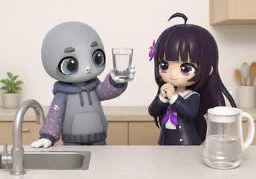
How to say “pure” in Japanese
“Pure” in Japanese is 純粋 (junsui).
It describes something untouched by unwanted additions, whether it is a substance, a feeling, or a motive.
Example sentences with 純粋
彼女は純粋な気持ちで友達を助けます。kano jo wa jun sui na ki mo chi de tomo dachi o tasu ke ma su
She helps her friends with a pure heart.
Tips for using 純粋
- In everyday Japanese, 純粋な人 (junsuina hito) often describes someone seen as guileless and straightforward, so it can sound warmer than a judgment about moral purity.
Other Japanese words for “pure”
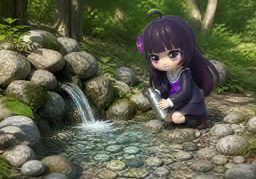
この泉の水は清いです。ko no izumi no mizu wa kiyo i de su
The water from this spring is pure.
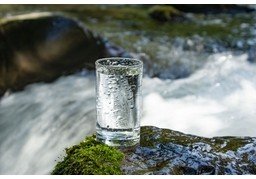
彼の清純な笑顔が印象に残りました。kare no sei jun na e gao ga in shō ni noko ri ma shi ta
His pure smile left an impression on me.

山の水は清らかです。yama no mizu wa kiyo ra ka de su
The mountain water is pure.