

Japanese Conversation · Level 107
60 words
Search Japanese words as written, in romaji or by English meaning.
Dictionaries
Quick links
Browse
 MotiSpiOfficial conversation app

Japanese word
Romajijunsui
この水は純粋です。ko no mizu wa jun sui de su
This water is pure.
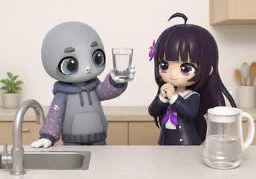
彼女は純粋な気持ちで友達を助けます。kano jo wa jun sui na ki mo chi de tomo dachi o tasu ke ma su
She helps her friends with a pure heart.
It describes something untouched by unwanted additions, whether it is a substance, a feeling, or a motive.
純粋な気持ちjun sui na ki mo chi
pure feelings
純粋な心jun sui na kokoro
pure heart
無垢muku: Free from worldly experience or wrongdoing, and innocent in character.
純真junshin: Having a sincere and innocent nature without deceit or suspicion.
純朴junboku: Having a simple and honest nature without social sophistication or cunning.
他のものや邪念が混じらず、本来の性質や気持ちがそのまま保たれているさま。hoka no mo no ya ja nen ga ma ji ra zu hon rai no sei shitsu ya ki mo chi ga so no ma ma tamo ta re te i ru sa ma
純粋 (junsui) is a Sino-Japanese compound of 純 (jun, "unmixed") and 粋 (sui, "essence"), giving the sense of something free from admixture.