

JLPT · Level 120
15 words
Search Japanese words as written, in romaji or by English meaning.
Dictionaries
Quick links
Browse
 MotiSpiOfficial conversation app

Japanese word
Romajikiyoraka
山の水は清らかです。yama no mizu wa kiyo ra ka de su
The mountain water is pure.
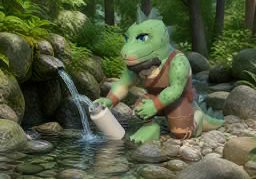
朝の森には、清らかな空気が満ちています。asa no mori ni wa kiyo ra ka na kū ki ga mi chi te i ma su
The morning forest is filled with pure air.
It presents something as free from unwanted mixture or stain, whether the quality is physical or inward.
清らかな心kiyo ra ka na kokoro
a pure heart
清らかな空気kiyo ra ka na kū ki
pure air
清らかな歌声kiyo ra ka na uta goe
a pure singing voice
きれいkirei: Describes something as clean, neat, or attractive in common everyday use.
純粋junsui: Describes something as unmixed, genuine, or free from outside influence.
清潔seiketsu: Describes a condition free from dirt, germs, or other unwanted matter.
清浄seijō: Describes something as clean and free from impurities in formal or religious contexts.
混じりけや汚れがなく、澄んでいて美しいさま。ma ji ri ke ya yogo re ga na ku su n de i te utsuku shi i sa ma
The native Japanese adjective 清らか (kiyoraka, "pure") combines 清 (kiyo, "pure") with the suffix らか (raka, "showing a state or quality"), which forms adjectives describing a condition.