

JLPT · Level 141
15 words
Search Japanese words as written, in romaji or by English meaning.
Dictionaries
Quick links
Browse
 MotiSpiOfficial conversation app

Japanese word
Romajiseijun
彼の清純な笑顔が印象に残りました。kare no sei jun na e gao ga in shō ni noko ri ma shi ta
His pure smile left an impression on me.
その歌手は清純なイメージで知られています。so no ka shu wa sei jun na i mē ji de shi ra re te i ma su
The singer is known for her innocent image.
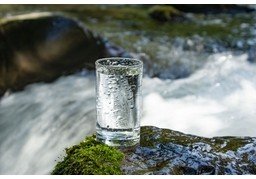
Describes a person whose character and manner seem unspoiled, sincere, and free from bad intentions.
清純な魅力sei jun na mi ryoku
pure charm
清純な美しさsei jun na utsuku shi sa
pure beauty
純真junshin: Describes a person who is innocent, sincere, and free from selfish or harmful intent.
無垢muku: Describes a person whose character is untouched by wrongdoing and marked by innocence.
純粋junsui: Describes a person or feeling that is genuine and free from mixed motives.
清らかkiyoraka: Describes a person or manner that appears morally clean and gentle.
心や言動に邪心や汚れがなく、素直でけがれのないさま。kokoro ya gen dō ni ja shin ya yogo re ga na ku su nao de ke ga re no na i sa ma
清 (sei, "clear and pure") and 純 (jun, "pure and unmixed") combine in this Sino-Japanese word to express complete purity.