

Chinese Conversation · Level 47
90 words
Search Chinese words by characters, pinyin or English meaning.
Dictionaries
Quick links
Browse
 MotiSpiOfficial conversation app

Chinese word
Pinyinzé bèi
别总是责备别人。bié zǒng shì zé bèi bié rén
Don't always blame other people.
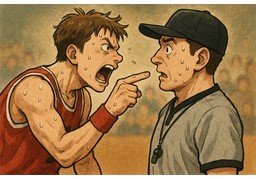
他因为报告的错误而被上司责备。tā yīn wèi bào gào de cuò wù ér bèi shàng sī zé bèi
He was blamed by his supervisor for errors in the report.
A spoken judgment that places another person's mistake or shortcoming directly before them.
当面责备对方dāng miàn zé bèi duì fāng
blame the other person face-to-face
当众责备孩子dāng zhòng zé bèi hái zi
scold the child in public
互相责备对方hù xiāng zé bèi duì fāng
blame each other
批评pī píng: Point out faults in someone's behavior or in a piece of work to help improve it.
指责zhǐ zé: Reproach someone for a fault or mistake while stressing that the person is responsible.
责怪zé guài: Show annoyance with someone by blaming the person for an action.
斥责chì zé: Rebuke someone loudly or forcefully for a fault or mistake.
以批评性的言辞指出他人的缺点或过错,语气常带责难,可能使对方感到受指责。yǐ pī píng xìng de yán cí zhǐ chū tā rén de quē diǎn huò guò cuò yǔ qì cháng dài zé nàn kě néng shǐ duì fāng gǎn dào shòu zhǐ zé
The word 责备 (zébèi, "to blame") combines 责 (zé, "to blame") with 备 (bèi, "to prepare"); the whole compound has developed an established sense of speaking critically about another person's fault.