

Chinese Conversation · Level 66
90 words
Search Chinese words by characters, pinyin or English meaning.
Dictionaries
Quick links
Browse
 MotiSpiOfficial conversation app

Chinese word
Pinyinchì zé
老师当着大家斥责了他。lǎo shī dāng zhe dà jiā chì zé le tā
The teacher scolded him in front of everyone.
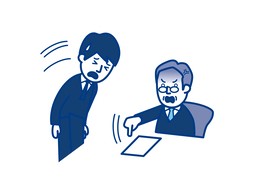
他因为迟到被经理斥责了。tā yīn wèi chí dào bèi jīng lǐ chì zé le
He was scolded by the manager for being late.
A speaker directs sharp, serious words at a person to mark a fault and demand accountability, with the force coming from speech rather than physical or legal punishment.
当众斥责dāng zhòng chì zé
scold in public
严厉斥责yán lì chì zé
scold harshly
被斥责bèi chì zé
be scolded
指责zhǐ zé: To strongly blame someone for a fault or for something they have done.
批评pī píng: To point out problems in someone's words, actions, or work and give a negative assessment.
责骂zé mà: To angrily scold someone with harsh, insulting words.
责备zé bèi: To reproach someone by pointing out a mistake in their actions.
用尖锐或严肃的言辞批评并指责某人,侧重言语上的谴责而非身体或法律上的惩罚。yòng jiān ruì huò yán sù de yán cí pī píng bìng zhǐ zé mǒu rén cè zhòng yán yǔ shàng de qiǎn zé ér fēi shēn tǐ huò fǎ lǜ shàng de chéng fá
斥 (chì, "rebuke") + 责 (zé, "blame or demand accountability") forms a compound centered on verbal rejection and assigning responsibility, which explains its strong condemning tone.