

HSK · Level 30
135 words
Search Chinese words by characters, pinyin or English meaning.
Dictionaries
Quick links
Browse
 MotiSpiOfficial conversation app

Chinese word
Pinyinzé guài
不要责怪她,她不是故意的。bú yào zé guài tā tā bú shì gù yì de
Don't blame her; she didn't do it on purpose.
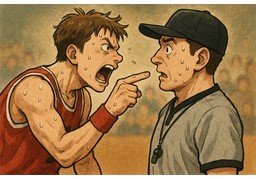
他不停地责怪自己,觉得全是自己的错。tā bù tíng dì zé guài zì jǐ jué de quán shì zì jǐ de cuò
He keeps blaming himself, thinking it's all his fault.
A complaint lands on the person linked to a particular fault, rather than floating as a general negative opinion.
责怪别人zé guài bié rén
blame others
责怪自己zé guài zì jǐ
blame oneself
被责怪bèi zé guài
be blamed
责备zé bèi: Reproach someone directly for doing or saying something inappropriate.
指责zhǐ zé: Point out someone's fault and criticize them in a harsh way.
谴责qiǎn zé: Publicly or in writing, condemn a person or action with strong disapproval.
对人指出其行为或造成的结果并表示不满或追究责任,通常用于具体的过错情形。duì rén zhǐ chū qí xíng wéi huò zào chéng de jié guǒ bìng biǎo shì bù mǎn huò zhuī jiū zé rèn tōng cháng yòng yú jù tǐ de guò cuò qíng xíng
责怪 (zéguài, "blame") is formed from 责 (zé, "hold responsible") + 怪 (guài, "find at fault"), joining two ideas that focus dissatisfaction on a fault.