

Chinese Conversation · Level 11
90 words
Search Chinese words by characters, pinyin or English meaning.
Dictionaries
Quick links
Browse
 MotiSpiOfficial conversation app

Chinese word
Pinyinzhēng
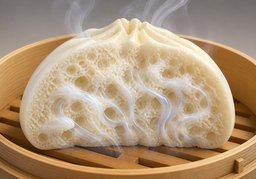
这个包子是蒸的,很热。zhè ge bāo zi shì zhēng de hěn rè
This bun is steamed and very hot.
厨房里有人在用蒸锅把鱼蒸。chú fáng lǐ yǒu rén zài yòng zhēng guō bǎ yú zhēng
Someone in the kitchen is steaming fish in a steamer.
Hot vapor surrounds food or another object and heats it until it becomes soft or cooked.
蒸包子zhēng bāo zi
steam buns
蒸鱼zhēng yú
steam fish
蒸蔬菜zhēng shū cài
steam vegetables
煮zhǔ: Heating food while it is covered by liquid until it becomes tender.
煎jiān: Frying food in a little oil on one or both sides.
炒chǎo: Stir-frying food quickly in hot oil in a pan.
烤kǎo: Heating food over a flame or in an oven until the surface turns brown.
用水或其他液体产生的热气加热食物或物体,使其熟化或变软的动作或过程。yòng shuǐ huò qí tā yè tǐ chǎn shēng de rè qì jiā rè shí wù huò wù tǐ shǐ qí shú huà huò biàn ruǎn de dòng zuò huò guò chéng
蒸 (zhēng, "steam") originally referred to vapor rising, and its cooking sense developed from using that vapor to heat food until it becomes soft or cooked.