

HSK · Level 42
120 words
Search Chinese words by characters, pinyin or English meaning.
Dictionaries
Quick links
Browse
 MotiSpiOfficial conversation app

Chinese word
Pinyinjīng huāng
他看到蛇,惊慌地跑开了。tā kàn dào shé jīng huāng dì pǎo kāi le
He saw a snake, panicked, and ran away.
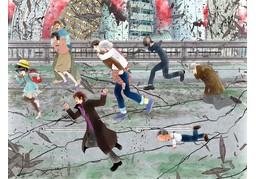
听到消息后,他显得非常惊慌。tīng dào xiāo xī hòu tā xiǎn de fēi cháng jīng huāng
After hearing the news, he seemed very panicked.
A sudden shock throws calm control off balance, leaving a person afraid, tense, and visibly unsteady.
惊慌失措jīng huāng shī cuò
panicked and at a loss
惊慌地jīng huāng dì
in a panic
感到惊慌gǎn dào jīng huāng
feel panicked
紧张jǐn zhāng: Nervous tension that makes someone feel strained and unable to relax in an important situation.
不安bù ān: A feeling of worry and unease that prevents a person from feeling at peace.
慌张huāng zhāng: A loss of calm that makes a person's actions and expressions look hurried and confused.
惊恐jīng kǒng: Very strong fear that leaves someone deeply frightened and nearly unable to move.
因突然受到惊吓或遇到紧急情况而感到害怕、紧张并失去镇定的样子yīn tū rán shòu dào jīng xià huò yù dào jǐn jí qíng kuàng ér gǎn dào hài pà jǐn zhāng bìng shī qù zhèn dìng de yàng zi
惊 (jīng, "be startled") + 慌 (huāng, "be flustered") joins the sudden fright to the loss of composure that follows.