

HSK · Level 22
135 words
Search Chinese words by characters, pinyin or English meaning.
Dictionaries
Quick links
Browse
 MotiSpiOfficial conversation app

Chinese word
Pinyinbù ān
晚上独自在家时我会感到不安。wǎn shàng dú zì zài jiā shí wǒ huì gǎn dào bù ān
I feel uneasy when I am home alone at night.
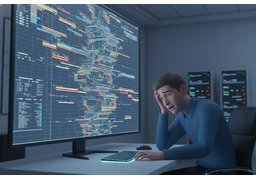
收到陌生短信后,她有点不安。shōu dào mò shēng duǎn xìn hòu tā yóu diǎn bù ān
After she received a text message from a stranger, she felt a little uneasy.
A person's inner calm is missing, leaving the mind unable to feel secure.
心里有点不安xīn lǐ yóu diǎn bù ān
feel slightly uneasy
对变化感到不安duì biàn huà gǎn dào bù ān
feel uneasy about changes
觉得不安jué de bù ān
feel uneasy
担心dān xīn: Feeling worried about what may happen or how something may turn out.
紧张jǐn zhāng: Feeling tense and nervous in a way that can make the body or voice stiff.
感到心里不安,不能放心,缺乏安全感。gǎn dào xīn lǐ bù ān bù néng fàng xīn quē fá ān quán gǎn
不安 (bùān, "uneasy") joins 不 (bù, "not") with 安 (ān, "safe and settled"), creating the image of calm or security being absent.