

Chinese Conversation · Level 49
90 words
Search Chinese words by characters, pinyin or English meaning.
Dictionaries
Quick links
Browse
 MotiSpiOfficial conversation app

Chinese word
Pinyinhuāng zhāng
别那么慌张,慢慢来。bié nà me huāng zhāng màn màn lái
Don't be so flustered; take it slow.
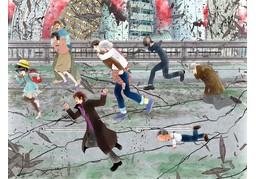
她听到消息后,露出一副慌张的样子。tā tīng dào xiāo xī hòu lù chū yí fù huāng zhāng de yàng zi
After hearing the news, she wore a flustered expression.
A startled mind becomes taut and unsettled, and that inner jolt shows as awkward, hurried action.
一副慌张的样子yí fù huāng zhāng de yàng zi
a flustered look
带着慌张的表情dài zhe huāng zhāng de biǎo qíng
with a flustered expression
着急zháo jí: Restless and eager for something to happen soon, making it hard to stay calm.
惊慌jīng huāng: Suddenly panicked from fear or shock and unable to stay calm.
紧张jǐn zhāng: Nervous and tense, with the mind or body too tight to relax.
形容因突发情况或惊吓而短时间内显得手忙脚乱、神色慌乱。xíng róng yīn tū fā qíng kuàng huò jīng xià ér duǎn shí jiān nèi xiǎn de shǒu máng jiǎo luàn shén sè huāng luàn
慌张 (huāngzhāng, "flustered") is formed from 慌 (huāng, "alarmed") and 张 (zhāng, "extended"), bringing together sudden mental disturbance and its outward display.