

Chinese Conversation · Level 64
90 words
Search Chinese words by characters, pinyin or English meaning.
Dictionaries
Quick links
Browse
 MotiSpiOfficial conversation app

Chinese word
Pinyinjīng huāng shī cuò
他听到消息后,惊慌失措了。tā tīng dào xiāo xī hòu jīng huāng shī cuò le
He panicked after hearing the news.
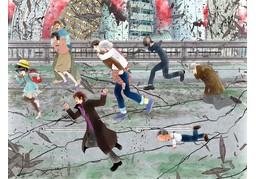
警报响起时,司机没有惊慌失措,稳稳地把车停在路边。jǐng bào xiáng qǐ shí sī jī méi yǒu jīng huāng shī cuò wén wěn dì bǎ chē tíng zài lù biān
When the alarm went off, the driver did not panic but calmly pulled the car over to the roadside.
A sudden shock scatters a person's thoughts, leaving no clear next move.
让人惊慌失措ràng rén jīng huāng shī cuò
cause someone to panic
陷入惊慌失措xiàn rù jīng huāng shī cuò
become panicked
显得惊慌失措xiǎn de jīng huāng shī cuò
appear panicked
不知所措bù zhī suǒ cuò: Not knowing what to do and being unable to take the next step.
手足无措shǒu zú wú cuò: Losing control of one's movements in confusion and failing to act appropriately.
心慌意乱xīn huāng yì luàn: Feeling inwardly agitated, with confused thoughts that prevent calm thinking.
慌不择路huāng bù zé lù: Acting hastily in panic without calmly choosing a sensible direction.
因突发事件或受到惊吓而非常慌张,失去冷静和应对办法,不知道该怎么处理。yīn tū fā shì jiàn huò shòu dào jīng xià ér fēi cháng huāng zhāng shī qù lěng jìng hé yìng duì bàn fǎ bù zhī dào gāi zěn me chú lǐ
The idiom joins 惊慌 (jīnghuāng, "be alarmed and agitated") to 失措 (shīcuò, "fail to know what to do"), making intense fear and ineffective action one picture.