

HSK · Level 74
60 words
Search Chinese words by characters, pinyin or English meaning.
Dictionaries
Quick links
Browse
 MotiSpiOfficial conversation app

Chinese word
Pinyinshuāi lǎo
父母都在慢慢衰老。fù mǔ dōu zài màn màn shuāi lǎo
Both parents are slowly growing old.
为了延缓衰老,他每周去健身房锻炼。wèi le yán huǎn shuāi lǎo tā měi zhōu qù jiàn shēn fáng duàn liàn
To slow aging, he exercises at the gym every week.
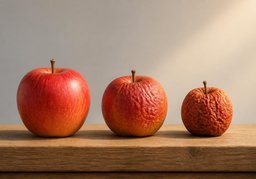
A gradual slide from youthful strength toward old age, as the body and mind lose some of their functions.
抗衰老kàng shuāi lǎo
fight aging
延缓衰老yán huǎn shuāi lǎo
slow aging
器官衰老qì guān shuāi lǎo
aging of the organs
变老biàn lǎo: Become older in age or appearance.
老化lǎo huà: Undergo age-related decline in the function of organs or tissues.
衰退shuāi tuì: Gradually become weaker in strength, force, or condition.
衰弱shuāi ruò: Become physically weaker as health and energy decline.
年龄增长导致身体、精神等机能逐步下降的状态或过程,常用于描述生理上的老化。nián líng zēng zhǎng dǎo zhì shēn tǐ jīng shén děng jī néng zhú bù xià jiàng de zhuàng tài huò guò chéng cháng yòng yú miáo shù shēng lǐ shàng de lǎo huà
衰 (shuāi, "decline") + 老 (lǎo, "old") form 衰老 (shuāilǎo, "to grow old"), joining loss of function to the process of becoming old.