

HSK · Level 82
45 words
Search Chinese words by characters, pinyin or English meaning.
Dictionaries
Quick links
Browse
 MotiSpiOfficial conversation app

Chinese word
Pinyinshuāi ruò
随着年龄增长,他的记忆力开始衰弱。suí zhe nián líng zēng zhǎng tā de jì yì lì kāi shǐ shuāi ruò
As he gets older, his memory begins to weaken.
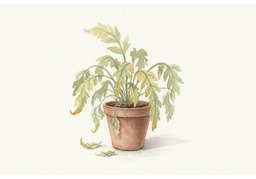
长期营养不良会使老人的免疫力衰弱。cháng qī yíng yǎng bù liáng huì shǐ lǎo rén de miǎn yì lì shuāi ruò
Long-term malnutrition weakens older people's immune systems.
Strength and physical capacity gradually drain away until the body functions with less force.
记忆力衰弱jì yì lì shuāi ruò
memory weakens
免疫力衰弱miǎn yì lì shuāi ruò
immune system weakens
体力衰弱tǐ lì shuāi ruò
physical strength weakens
衰退shuāi tuì: Gradually lose former power, ability, or vigor.
减弱jiǎn ruò: Become weaker in strength, force, or influence.
减少jián shǎo: Decrease in amount, number, or frequency.
降低jiàng dī: Drop to a lower standard, level, or number.
由于年龄、疾病或过度消耗,身体或体力逐渐减退并变得虚弱。yóu yú nián líng jí bìng huò guò dù xiāo hào shēn tǐ huò tǐ lì zhú jiàn jiǎn tuì bìng biàn de xū ruò
The compound 衰 (shuāi, "decline") + 弱 (ruò, "weak") combines fading force with lack of strength, giving the sense of becoming physically feeble over time.