

HSK · Level 57
105 words
Search Chinese words by characters, pinyin or English meaning.
Dictionaries
Quick links
Browse
 MotiSpiOfficial conversation app

Chinese word
Pinyinlǎo huà
随着年龄增长,身体会逐渐老化。suí zhe nián líng zēng zhǎng shēn tǐ huì zhú jiàn lǎo huà
As people age, the body gradually ages.
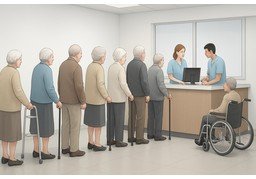
长期暴晒会使皮肤提前老化。cháng qī pù shài huì shǐ pí fū tí qián lǎo huà
Prolonged exposure to sunlight can cause the skin to age prematurely.
A once-new body, material, or device gradually loses its original strength, freshness, or performance under the passage of time.
皮肤老化pí fū lǎo huà
skin aging
细胞老化xì bāo lǎo huà
cell aging
大脑老化dà nǎo lǎo huà
brain aging
衰老shuāi lǎo: Gradually decline in bodily function or appearance as part of growing old.
变老biàn lǎo: Grow older and enter the state of being old.
退化tuì huà: Decline from a previous level of function or ability.
劣化liè huà: Suffer a gradual drop in material quality or equipment performance from use or age.
指生物或无生命事物因时间影响而性质、功能逐渐衰退的变化过程。zhǐ shēng wù huò wú shēng mìng shì wù yīn shí jiān yíng xiǎng ér xìng zhì gōng néng zhú jiàn shuāi tuì de biàn huà guò chéng
老化 (lǎohuà, "aging") is built from 老 (lǎo, "old") and 化 (huà, "change"), so its form highlights the process of becoming old rather than simply being old.