

HSK · Level 55
105 words
Search Chinese words by characters, pinyin or English meaning.
Dictionaries
Quick links
Browse
 MotiSpiOfficial conversation app

Chinese word
Pinyinxū ruò
她最近很虚弱,经常感到疲惫。tā zuì jìn hěn xū ruò jīng cháng gǎn dào pí bèi
She has been very weak lately and often feels tired.
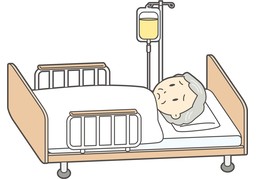
手术后他感到很虚弱,需要休息。shǒu shù hòu tā gǎn dào hěn xū ruò xū yào xiū xī
After surgery, he feels very weak and needs to rest.
A physically fragile state in which normal effort quickly exhausts the body, often during illness or recovery.
病后虚弱bìng hòu xū ruò
weak after illness
体质虚弱tǐ zhì xū ruò
weak constitution
虚弱不堪xū ruò bù kān
extremely weak
衰弱shuāi ruò: Bodily strength or function that slowly declines through illness, age, or a similar cause.
乏力fá lì: Lacking enough strength in the body or limbs to move normally.
疲惫pí bèi: Being extremely tired after prolonged activity or insufficient sleep.
脆弱cuì ruò: A quality of being easily damaged or weakened by external forces.
身体和体力虚弱,容易疲劳,常用来形容体质差或病后恢复不良的状态。shēn tǐ hé tǐ lì xū ruò róng yì pí láo cháng yòng lái xíng róng tǐ zhì chà huò bìng hòu huī fù bù liáng de zhuàng tài
虚 (xū, "deficient") + 弱 (ruò, "weak") presents physical weakness as a lack of strength rather than a single tired moment.