

Chinese Conversation · Level 53
90 words
Search Chinese words by characters, pinyin or English meaning.
Dictionaries
Quick links
Browse
 MotiSpiOfficial conversation app

Chinese word
Pinyinpí bèi
我今天很疲惫。wǒ jīn tiān hěn pí bèi
I am very tired today.
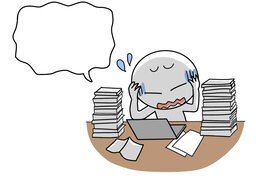
长时间照顾病人让她感到非常疲惫。cháng shí jiān zhào gù bìng rén ràng tā gǎn dào fēi cháng pí bèi
Taking care of the sick for a long time made her feel very tired.
The body and mind reach a low-energy state that makes both action and concentration hard.
感到疲惫gǎn dào pí bèi
feel tired
身心疲惫shēn xīn pí bèi
physically and mentally tired
极度疲惫jí dù pí bèi
extremely tired
累lèi: Feeling tired or worn out in body or mind, with too little strength for normal activity.
疲劳pí láo: Feeling physically tired and sluggish after work or exercise, so that rest is needed.
疲倦pí juàn: Feeling tired and sleepy, with little energy or desire to keep going.
因持续劳动或精神紧张导致身心极度疲劳,力气和注意力明显下降,需要休息恢复的状态。yīn chí xù láo dòng huò jīng shén jǐn zhāng dǎo zhì shēn xīn jí dù pí láo lì qì hé zhù yì lì míng xiǎn xià jiàng xū yào xiū xī huī fù de zhuàng tài
疲 (pí, "tired") + 惫 (bèi, "weary") form a compound whose two related parts reinforce the sense of serious weariness.