

HSK · Level 59
105 words
Search Chinese words by characters, pinyin or English meaning.
Dictionaries
Quick links
Browse
 MotiSpiOfficial conversation app

Chinese word
Pinyinhuāng liáng
公园已经荒凉,很少有人来。gōng yuán yǐ jīng huāng liáng hén shǎo yǒu rén lái
The park is already desolate, and hardly anyone comes there.
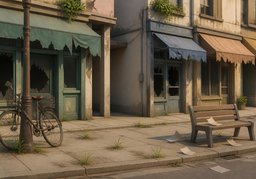
远离城市的小路两旁显得荒凉,行人稀少。yuǎn lí chéng shì de xiǎo lù liǎng páng xiǎn de huāng liáng xíng rén xī shǎo
The sides of a path far from the city look desolate, and few people pass by.
A once-lively setting that now feels empty, neglected, and cut off from ordinary human activity.
荒凉的村落huāng liáng de cūn luò
desolate village
荒凉的街道huāng liáng de jiē dào
desolate street
荒凉的景致huāng liáng de jǐng zhì
desolate scenery
凄凉qī liáng: Describes a bleak scene that creates a cold, lonely, and sorrowful feeling.
荒芜huāng wú: Describes land left uncultivated and untended, with grass and wild plants growing thickly.
荒废huāng fèi: Describes a former building or facility left unused, neglected, and falling into ruin.
萧条xiāo tiáo: Describes a town or market with few shops, little traffic, and no lively activity.
表示某处荒芜、冷落、缺少活动与生气的状态。biǎo shì mǒu chù huāng wú lěng luò quē shǎo huó dòng yǔ shēng qì de zhuàng tài
荒 (huāng, "barren") + 凉 (liáng, "cool") brings together a neglected landscape and the chill of missing human presence, which gives the word its bleak sense.