

Chinese Conversation · Level 19
90 words
Search Chinese words by characters, pinyin or English meaning.
Dictionaries
Quick links
Browse
 MotiSpiOfficial conversation app

Chinese word
Pinyinrè nào
这条街很热闹。zhè tiáo jiē hěn rè nào
This street is very lively.
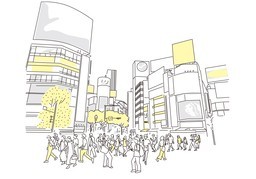
夜市里人很多,气氛很热闹。yè shì lǐ rén hěn duō qì fēn hěn rè nào
There are many people in the night market, and the atmosphere is very lively.
A public or social setting comes alive through crowds, activity, and animated sound.
很热闹hěn rè nào
very lively
越来越热闹yuè lái yuè rè nào
livelier and livelier
热闹的节日rè nào de jié rì
lively festival
吵chǎo: Describes a place or situation made noisy by loud voices or other sounds.
喧闹xuān nào: Describes a place or situation made noisy and unsettled by loud, disorderly activity.
忙máng: Describes being busy with so many tasks or duties that there is little time to stop.
用于描述因为人多、活动或声音而显得兴旺、热烈的场面,常指街道、店铺、聚会等地方的气氛。yòng yú miáo shù yīn wèi rén duō huó dòng huò shēng yīn ér xiǎn de xīng wàng rè liè de chǎng miàn cháng zhǐ jiē dào diàn pù jù huì děng dì fāng de qì fēn
热 (rè, "hot") suggests intensity and 闹 (nào, "noisy or bustling") suggests active commotion, so their combination describes a scene charged with human activity.