

HSK · Level 103
45 words
Search Chinese words by characters, pinyin or English meaning.
Dictionaries
Quick links
Browse
 MotiSpiOfficial conversation app

Chinese word
Pinyinqī liáng
黄昏时分,街道显得很凄凉。huáng hūn shí fēn jiē dào xiǎn de hěn qī liáng
At dusk, the street looks desolate.
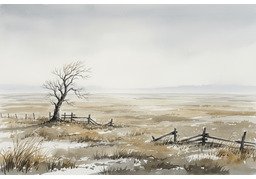
废弃的工厂周围,风吹过显得更加凄凉。fèi qì de gōng chǎng zhōu wéi fēng chuī guò xiǎn de gèng jiā qī liáng
The surroundings of the abandoned factory looked even more desolate as the wind blew through.
An empty place or moment has a cold stillness that carries a feeling of sadness and loneliness.
景象凄凉jǐng xiàng qī liáng
desolate scenery
显得凄凉xiǎn de qī liáng
appear desolate
荒凉huāng liáng: Describes a wide, neglected landscape that lacks people and signs of life.
冷清lěng qīng: Describes a quiet setting that lacks crowds, movement, and a lively feeling.
萧条xiāo tiáo: Describes a place or economy that has lost its activity and now feels lifeless.
形容景象或气氛显得荒凉、寂寥,给人冷清和悲伤的感觉,常用于描写黄昏或空荡的街道。xíng róng jǐng xiàng huò qì fēn xiǎn de huāng liáng jì liáo gěi rén lěng qīng hé bēi shāng de gǎn jué cháng yòng yú miáo xiě huáng hūn huò kōng dàng de jiē dào
凄凉 (qīliáng, "bleak and lonely") joins 凄 (qī, "sorrowful") and 凉 (liáng, "cool or cold"), blending a chilly impression with emotional desolation.