

Chinese Conversation · Level 77
90 words
Search Chinese words by characters, pinyin or English meaning.
Dictionaries
Quick links
Browse
 MotiSpiOfficial conversation app

Chinese word
Pinyinzì bào zì qì
丢了工作后,他就自暴自弃了。diū le gōng zuò hòu tā jiù zì bào zì qì le
After losing his job, he gave up on himself.
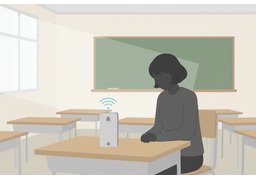
考试失利后,她一度有点自暴自弃,后来家人鼓励她继续努力。kǎo shì shī lì hòu tā yí dù yóu diǎn zì bào zì qì hòu lái jiā rén gǔ lì tā jì xù nǔ lì
After failing the exam, she briefly felt like giving up on herself, but her family encouraged her to keep trying.
A person lets a setback destroy the effort and self-control that normally guide life.
别自暴自弃bié zì bào zì qì
don't give up on yourself
有点自暴自弃yóu diǎn zì bào zì qì
feel a little like giving up on yourself
放弃fàng qì: Stop pursuing a goal or plan and make no further effort toward it.
灰心huī xīn: Lose motivation after failure or difficulty and stop wanting to keep trying.
绝望jué wàng: Have no hope left and believe that a good result is impossible.
因遭受打击或失望而放弃自我约束和努力,转而沉溺于消极情绪或放纵行为。yīn zāo shòu dǎ jī huò shī wàng ér fàng qì zì wǒ yuē shù hé nǔ lì zhuǎn ér chén nì yú xiāo jí qíng xù huò fàng zòng xíng wéi
In classical usage, 自暴 (zìbào, "damage oneself") and 自弃 (zìqì, "abandon oneself") formed a paired expression that developed into the modern idiom for a person's collapse after disappointment.