

HSK · Level 23
135 words
Search Chinese words by characters, pinyin or English meaning.
Dictionaries
Quick links
Browse
 MotiSpiOfficial conversation app

Chinese word
Pinyinxiōng táng
他把手放在胸膛上。tā bá shǒu fàng zài xiōng táng shàng
He put his hand on his chest.
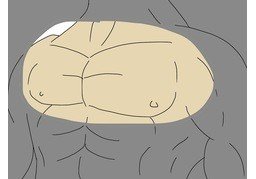
他挺起胸膛,自信地走上台。tā tíng qǐ xiōng táng zì xìn dì zǒu shàng tái
He puffed out his chest and confidently walked onto the stage.
The broad front of the torso, forming a protected space around the heart and lungs.
挺起胸膛tíng qǐ xiōng táng
puff out one's chest
把手放在胸膛上bá shǒu fàng zài xiōng táng shàng
place one's hand on one's chest
胸膛闷痛xiōng táng mèn tòng
dull chest pain
胸膛沉重xiōng táng chén zhòng
chest heaviness
胸xiōng: The front part of the body where the heart and lungs are located.
胸部xiōng bù: The chest region as a whole, especially in formal or written language.
胸口xiōng kǒu: The central surface area at the front of the chest.
躯干前方包围心肺的胸腔或胸部区域。qū gàn qián fāng bāo wéi xīn fèi de xiōng qiāng huò xiōng bù qū yù
胸膛 (xiōngtáng, "chest") combines 胸 (xiōng, "chest") with 膛 (táng, "inner chamber"), giving the chest the image of an enclosed space within the torso.