

Chinese Conversation · Level 43
90 words
Search Chinese words by characters, pinyin or English meaning.
Dictionaries
Quick links
Browse
 MotiSpiOfficial conversation app

Chinese word
Pinyinxiōng bù
医生检查了他的胸部。yī shēng jiǎn chá le tā de xiōng bù
The doctor examined his chest.
上楼时,他突然感到胸部疼痛,坐下来休息了一会儿。shàng lóu shí tā tū rán gǎn dào xiōng bù téng tòng zuò xià lái xiū xī le yí huìr
While going upstairs, he suddenly felt chest pain, sat down, and rested for a while.
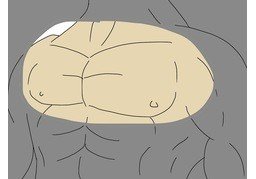
The body's front section surrounds the heart and lungs and includes the outer muscles and soft tissue.
胸部不适xiōng bù bú shì
chest discomfort
胸部疼痛xiōng bù téng tòng
chest pain
胸xiōng: The chest area of the body in everyday speech.
胸口xiōng kǒu: A spot in the middle or upper part of the chest, often mentioned in everyday speech.
指人体前胸区域,包括胸腔及其覆盖的肌肉与软组织,常用于解剖位置或疾病描述。zhǐ rén tǐ qián xiōng qū yù bāo kuò xiōng qiāng jí qí fù gài de jī ròu yǔ ruán zǔ zhī cháng yòng yú jiě pōu wèi zhì huò jí bìng miáo shù
胸部 (xiōngbù, "chest") is formed from 胸 (xiōng, "chest") + 部 (bù, "section"), so it names the chest as a defined body section.