

Chinese Conversation · Level 53
90 words
Search Chinese words by characters, pinyin or English meaning.
Dictionaries
Quick links
Browse
 MotiSpiOfficial conversation app

Chinese word
Pinyinxiōng kǒu
他捂着胸口,站不起来。tā wǔ zhe xiōng kǒu zhàn bù qǐ lái
He clutched his chest and couldn't stand up.
听到坏消息,他感到胸口发闷。tīng dào huài xiāo xī tā gǎn dào xiōng kǒu fā mèn
The bad news made his chest feel tight.
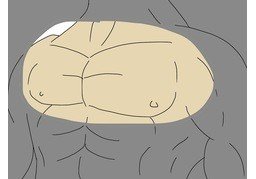
A focal area on the front of the chest where discomfort, tightness, or strong feeling gathers.
捂着胸口wǔ zhe xiōng kǒu
hold one's chest
胸口疼xiōng kǒu téng
chest hurts
胸口发闷xiōng kǒu fā mèn
chest feels tight
胸xiōng: The body area at the front that surrounds and protects the heart and lungs.
胸部xiōng bù: The complete chest region, covering both the front and the sides of the body.
心口xīn kǒu: A spot in the upper middle of the chest close to the heart.
胸部前面中心附近的位置,既可指身体上的疼痛点,也可比喻紧张或难受时胸部的压迫感。xiōng bù qián miàn zhōng xīn fù jìn de wèi zhì jì kě zhǐ shēn tǐ shàng de téng tòng diǎn yě kě bǐ yù jǐn zhāng huò nán shòu shí xiōng bù de yā pò gǎn
胸口 (xiōngkǒu, "chest opening") is formed from 胸 (xiōng, "chest") and 口 (kǒu, "opening"), with the second character indicating a defined area rather than a literal mouth.