

Chinese Conversation · Level 75
90 words
Search Chinese words by characters, pinyin or English meaning.
Dictionaries
Quick links
Browse
 MotiSpiOfficial conversation app

Chinese word
Pinyindān wù
对不起,我耽误你了。duì bù qǐ wǒ dān wù nǐ le
Sorry, I delayed you.
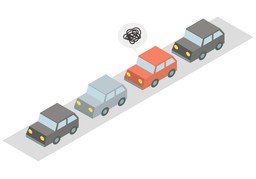
晚点的列车耽误了我的行程。wán diǎn de liè chē dān wù le wǒ de xíng chéng
The late train delayed my trip.
Something that should happen on time is pushed later because attention or time remains tied up elsewhere.
耽误时间dān wù shí jiān
waste time
耽误工作dān wù gōng zuò
delay work
被耽误bèi dān wù
be delayed
延误yán wù: Makes a scheduled trip, process, or event run later than its planned time.
耽搁dān gē: Holds up work or an activity because progress is interrupted or temporarily left waiting.
拖延tuō yán: Puts off work or a commitment instead of carrying it out when due.
延迟yán chí: Moves a planned starting time, ending time, or deadline to a later point.
因某事停留或占用时间而使原定事务推迟或受阻。yīn mǒu shì tíng liú huò zhàn yòng shí jiān ér shǐ yuán dìng shì wù tuī chí huò shòu zǔ
耽 (dān, "linger") + 误 (wù, "miss") treats lingering as causing the right time or plan to be missed.