

HSK · Level 82
45 words
Search Chinese words by characters, pinyin or English meaning.
Dictionaries
Quick links
Browse
 MotiSpiOfficial conversation app

Chinese word
Pinyindān gē
别耽搁,快走吧。bié dān gē kuài zǒu ba
Don't delay; let's go quickly.
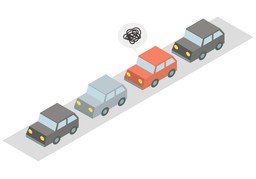
他受伤了,训练被耽搁了。tā shòu shāng le xùn liàn bèi dān gē le
He was injured, so his training was delayed.
A pause or obstruction keeps a person, task, or plan from reaching its next step on time.
耽搁工作dān gē gōng zuò
delay work
耽搁学业dān gē xué yè
delay one's studies
长时间耽搁cháng shí jiān dān gē
be delayed for a long time
推迟tuī chí: Decide that a scheduled event or deadline will happen later.
拖延tuō yán: Deliberately delay work or a process by leaving it for later.
延误yán wù: Be delayed during transport or processing, causing late arrival or completion.
拖搁tuō gē: Make something in progress pause and fall behind for a while in everyday speech.
因各种原因使事情推迟或中断,导致不能按原计划及时进行。yīn gè zhǒng yuán yīn shǐ shì qíng tuī chí huò zhōng duàn dǎo zhì bù néng àn yuán jì huà jí shí jìn xíng
耽搁 (dāngē, "delay") combines 耽 (dān, "linger") and 搁 (gē, "put down"), so a task is pictured as left in place instead of moving ahead.