

HSK · Level 117
45 words
Search Chinese words by characters, pinyin or English meaning.
Dictionaries
Quick links
Browse
 MotiSpiOfficial conversation app

Chinese word
Pinyinpí bèi bù kān
照顾孩子一整天,我真的疲惫不堪。zhào gù hái zi yì zhěng tiān wǒ zhēn de pí bèi bù kān
After taking care of the children all day, I am really exhausted.
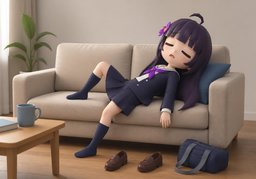
考试结束后,学生们都显得疲惫不堪。kǎo shì jié shù hòu xué shēng men dōu xiǎn de pí bèi bù kān
After the exam ended, the students all looked worn out.
A body and mind drained so completely that normal movement becomes hard.
感到疲惫不堪gǎn dào pí bèi bù kān
feel worn out
显得疲惫不堪xiǎn de pí bèi bù kān
appear exhausted
疲惫不堪的眼神pí bèi bù kān de yǎn shén
an exhausted gaze
累死了lèi sǐ le: Feeling completely worn out and as if no energy is left, in casual speech.
疲劳pí láo: Feeling worn out in body or mind and unable to recover without rest.
疲倦pí juàn: Feeling tired, sleepy, and unwilling to do much.
极度疲劳,身心力气耗尽,难以继续正常活动。jí dù pí láo shēn xīn lì qì hào jìn nán yǐ jì xù zhèng cháng huó dòng
疲 (pí, "tired") + 惫 (bèi, "worn out") names deep fatigue, while 不 (bù, "not") + 堪 (kān, "bear") presents it as beyond what a person can endure.