

Chinese Conversation · Level 33
90 words
Search Chinese words by characters, pinyin or English meaning.
Dictionaries
Quick links
Browse
 MotiSpiOfficial conversation app

Chinese word
Pinyinpí juàn
我今天很疲倦。wǒ jīn tiān hěn pí juàn
I am very tired today.
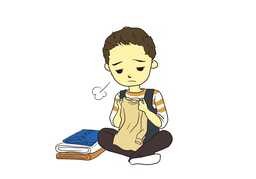
运动后,我感到有点疲倦。yùn dòng hòu wǒ gǎn dào yóu diǎn pí juàn
After exercising, I feel a little tired.
The feeling of physical or mental energy fading until activity becomes slow and rest seems necessary.
疲倦不堪pí juàn bù kān
exhausted
感到疲倦gǎn dào pí juàn
feel tired
精神疲倦jīng shén pí juàn
mentally tired
累lèi: Feeling tired and lacking the strength to do much, especially in everyday speech.
疲劳pí láo: Feeling worn out after long activity, with a need for rest.
疲惫pí bèi: Feeling extremely exhausted, with almost no energy left to move.
劳累láo lèi: Feeling tired and uncomfortable after physical work or demanding tasks.
感到身体或精神上的劳累,想休息。gǎn dào shēn tǐ huò jīng shén shàng de láo lèi xiǎng xiū xī
疲 (pí, "weary") + 倦 (juàn, "weary") combine two overlapping ideas of weariness, giving a word for drained physical or mental energy.