

Chinese Conversation · Level 72
90 words
Search Chinese words by characters, pinyin or English meaning.
Dictionaries
Quick links
Browse
 MotiSpiOfficial conversation app

Chinese word
Pinyinsā pō
他在街上撒泼,结果被警察带走了。tā zài jiē shàng sā pō jié guǒ bèi jǐng chá dài zǒu le
He made a scene in the street and was taken away by the police.
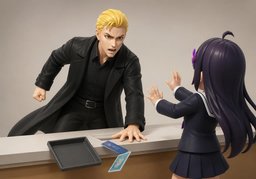
会议上他突然撒泼,大家都很尴尬。huì yì shàng tā tū rán sā pō dà jiā dōu hěn gān gà
He suddenly caused a scene at the meeting, and everyone felt awkward.
An unruly outburst of words, gestures, or movement that disrupts a situation and draws attention.
在公共场合撒泼zài gōng gòng chǎng hé sā pō
cause a scene in public
向别人撒泼xiàng bié rén sā pō
throw a tantrum at others
闹事nào shì: Cause a noisy disturbance that disrupts order, especially in a public place.
耍赖shuǎ lài: Refuse to accept responsibility or rules and act unreasonably to get one's way.
发脾气fā pí qì: Show anger through shouting or an unpleasant attitude.
吵闹chǎo nào: Make loud, disturbing noise that keeps a place from being quiet.
用夸张或粗鲁的举动和言语制造混乱或引人注目,既可指身体上的闹腾也可指口头上的争吵。yòng kuā zhāng huò cū lǔ de jǔ dòng hé yán yǔ zhì zào hùn luàn huò yǐn rén zhù mù jì kě zhǐ shēn tǐ shàng de nào téng yě kě zhǐ kǒu tóu shàng de zhēng chǎo
The compound combines 撒 (sā, "scatter") + 泼 (pō, "splash"), creating an image of behavior spilling outward and becoming hard to control.