

Chinese Conversation · Level 66
90 words
Search Chinese words by characters, pinyin or English meaning.
Dictionaries
Quick links
Browse
 MotiSpiOfficial conversation app

Chinese word
Pinyinshuǎ lài
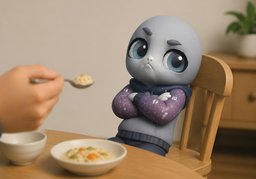
孩子又在耍赖,不想吃饭。hái zi yòu zài shuǎ lài bù xiǎng chī fàn
The child is throwing another tantrum and doesn't want to eat.
他签了合同后又想耍赖,不肯履行承诺。tā qiān le hé tóng hòu yòu xiǎng shuǎ lài bù kěn lǚ xíng chéng nuò
After signing the contract, he tried to throw another tantrum and refused to honor his promise.
Uses anger, feigned innocence, or excuses to make another person give way.
耍赖皮shuǎ lài pí
throw a shameless tantrum
跟别人耍赖gēn bié rén shuǎ lài
be difficult with others
耍赖不讲理shuǎ lài bù jiáng lǐ
throw a tantrum and be unreasonable
耍无赖shuǎ wú lài: Dodging a duty or responsibility by refusing to act properly or accept the consequences.
撒泼sā pō: Making a loud, disruptive scene to frighten or pressure someone into giving way.
装可怜zhuāng kě lián: Pretending to be pitiful so that others feel sorry and agree to one's wishes.
通过耍脾气、装无辜或推诿来让别人让步,多含贬义,常用于口语。tōng guò shuǎ pí qì zhuāng wú gū huò tuī wěi lái ràng bié rén ràng bù duō hán biǎn yì cháng yòng yú kóu yǔ
耍 (shuǎ, "put on an act") + 赖 (lài, "shirk responsibility") combines a performed attitude with evasion, describing refusal used to pressure others.