

HSK · Level 98
45 words
Search Chinese words by characters, pinyin or English meaning.
Dictionaries
Quick links
Browse
 MotiSpiOfficial conversation app

Chinese word
Pinyinkè zhì
他尽量克制自己的情绪。tā jǐn liàng kè zhì zì jǐ de qíng xù
He tries to control his emotions as much as possible.
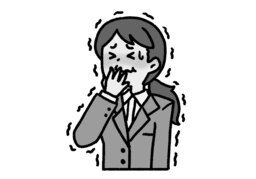
她在压力下也能克制冲动。tā zài yā lì xià yě néng kè zhì chōng dòng
She can restrain her impulses even under pressure.
Measured behavior remains in control instead of being driven by a passing urge.
克制情绪kè zhì qíng xù
restrain one's emotions
克制冲动kè zhì chōng dòng
restrain one's impulses
克制欲望kè zhì yù wàng
restrain one's desires
自制zì zhì: Holding back personal feelings or wants through conscious self-control.
节制jié zhì: Keeping the amount of eating, spending, or another activity within moderate limits.
忍住rěn zhù: Briefly holding back a sudden urge or feeling so it does not show.
抑制yì zhì: Reducing the strength of a reaction or feeling so it is less likely to appear.
有意识地控制欲望或行为以保持节制,强调不被冲动左右。yǒu yì shí dì kòng zhì yù wàng huò xíng wéi yǐ bǎo chí jié zhì qiáng diào bú bèi chōng dòng zuǒ yòu
In 克制 (kèzhì, "to restrain"), 克 (kè, "overcome") suggests mastering a force and 制 (zhì, "regulate") suggests keeping it within limits, giving the compound its sense of deliberate restraint.