

Chinese Conversation · Level 8
90 words
Search Chinese words by characters, pinyin or English meaning.
Dictionaries
Quick links
Browse
 MotiSpiOfficial conversation app

Chinese word
Pinyintuō
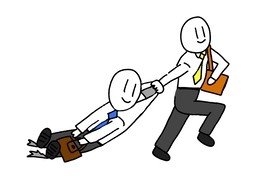
他把箱子拖到门口。tā bǎ xiāng zi tuō dào mén kǒu
He dragged the box to the doorway.
开会时他总是拖到最后才发言。kāi huì shí tā zǒng shì tuō dào zuì hòu cái fā yán
At meetings, he always puts off speaking until the very end.
Forward motion becomes a trailing pull: an object moves along the ground, or a task takes longer to move ahead.
拖延时间tuō yán shí jiān
stall for time
拖欠工资tuō qiàn gōng zī
delay payment of wages
拖着行李tuō zhe xíng lǐ
drag luggage
拉lā: Pull an object toward oneself or in a chosen direction with the hands or a tool.
拖延tuō yán: Deliberately make a task or process take longer and finish later.
推迟tuī chí: Move a planned time or appointment to a later time.
耽搁dān gē: Be held up temporarily because of circumstances or an obstacle.
把东西用手或工具拉着移动,常指沿地面拖拽;引申为把事情或时间往后推迟或拖延。bǎ dōng xī yòng shǒu huò gōng jù lā zhe yí dòng cháng zhǐ yán dì miàn tuō zhuāi yǐn shēn wèi bǎ shì qíng huò shí jiān wǎng hòu tuī chí huò tuō yán
拖 (tuō, "drag") names a physical pulling action, then extends that action to matters that are drawn out in time.