

Chinese Conversation · Level 10
90 words
Search Chinese words by characters, pinyin or English meaning.
Dictionaries
Quick links
Browse
 MotiSpiOfficial conversation app

Chinese word
Pinyinshòu wán
票已经售完了。piào yǐ jīng shòu wán le
The tickets are already sold out.
限量版目前售完,只剩普通款。xiàn liàng bǎn mù qián shòu wán zhǐ shèng pǔ tōng kuǎn
The limited edition is now sold out, and only the regular version is left.
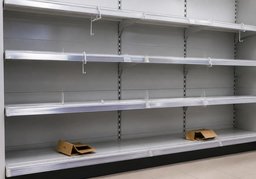
A stock of goods reaches the point where every item has left the seller and none remains.
售完了shòu wán le
sold out
现已售完xiàn yǐ shòu wán
currently sold out
门票已售完mén piào yǐ shòu wán
tickets are sold out
卖完mài wán: Finish selling a supply so that no items remain.
卖光mài guāng: Sell a whole stock until the shelves or supply are empty.
售罄shòu qìng: Show that all items have been sold, usually in formal written language.
断货duàn huò: Become temporarily unavailable when deliveries or supplies stop.
表示商品等全部卖出、没有剩余的状态。biǎo shì shāng pǐn děng quán bù mài chū méi yǒu shèng yú de zhuàng tài
The compound joins 售 (shòu, "sell") + 完 (wán, "finish"), so the act of selling is presented as complete and the supply as exhausted.