

Chinese Conversation · Level 33
90 words
Search Chinese words by characters, pinyin or English meaning.
Dictionaries
Quick links
Browse
 MotiSpiOfficial conversation app

Chinese word
Pinyinmài wán
这本书已经卖完了。zhè běn shū yǐ jīng mài wán le
This book is already sold out.
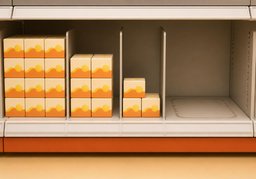
超市的面包很快就卖完了。chāo shì de miàn bāo hěn kuài jiù mài wán le
The supermarket's bread sold out very quickly.
The flow of goods ends at an empty shelf because every available unit has found a buyer.
已经卖完了yǐ jīng mài wán le
already sold out
都卖完了dōu mài wán le
all sold out
快要卖完了kuài yào mài wán le
almost sold out
卖光mài guāng: Describes a complete sellout in lively, everyday speech.
售完shòu wán: Expresses concisely that all goods have been sold and the stock is gone.
售罄shòu qìng: Expresses in formal notices that all goods have been sold and no stock remains.
把商品全部卖掉或商品被卖尽,表示没有剩余。bǎ shāng pǐn quán bù mài diào huò shāng pǐn bèi mài jǐn biǎo shì méi yǒu shèng yú
卖 (mài, "sell") names the exchange with a buyer, while 完 (wán, "complete") shows that this process reaches its end for all the goods.