

Chinese Conversation · Level 14
90 words
Search Chinese words by characters, pinyin or English meaning.
Dictionaries
Quick links
Browse
 MotiSpiOfficial conversation app

Chinese word
Pinyintàn qì
看到成绩,他无奈地叹气。kàn dào chéng jì tā wú nài dì tàn qì
When he saw his grades, he sighed helplessly.
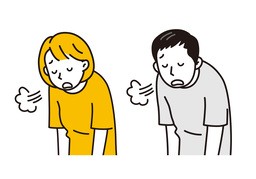
听到那件事,他无声地叹气。tīng dào nà jiàn shì tā wú shēng dì tàn qì
When he heard about that, he sighed silently.
The outward release of breath becomes a small signal of an inward burden, from fatigue and helplessness to disappointment or reflection.
轻轻地叹气qīng qīng dì tàn qì
sigh softly
无声地叹气wú shēng dì tàn qì
sigh silently
不禁叹气bù jīn tàn qì
cannot help sighing
叹息tàn xī: To sigh with sadness, regret, or emotional heaviness, often in a reflective tone.
感叹gǎn tàn: To express strong feeling, such as wonder, admiration, surprise, or dissatisfaction.
用吐出一口气的动作或声音来表示失望、无奈、疲倦或感慨,也可指这种吐息本身。yòng tǔ chū yì kǒu qì de dòng zuò huò shēng yīn lái biǎo shì shī wàng wú nài pí juàn huò gán kǎi yě kě zhǐ zhè zhǒng tǔ xī běn shēn
The first character 叹 (tàn, "sigh") names the expression of feeling, while 气 (qì, "breath") supplies its physical form, so the compound centers emotion on exhalation.