

Chinese Conversation · Level 24
90 words
Search Chinese words by characters, pinyin or English meaning.
Dictionaries
Quick links
Browse
 MotiSpiOfficial conversation app

Chinese word
Pinyintàn xī
她听到后就叹息了tā tīng dào hòu jiù tàn xī le
She sighed as soon as she heard it.
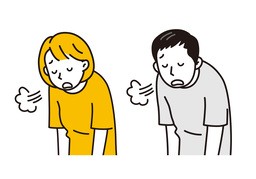
看完信后,他轻轻地叹息。kàn wán xìn hòu tā qīng qīng dì tàn xī
After finishing the letter, he sighed softly.
An exhaled sound carries an inner burden outward, whether the feeling is tiredness, helplessness, regret, or reflection.
忍不住叹息rěn bú zhù tàn xī
cannot help but sigh
轻轻地叹息qīng qīng dì tàn xī
sigh softly
深深地叹息shēn shēn dì tàn xī
sigh deeply
叹气tàn qì: Release a brief breath as a sign of discontent.
松一口气sōng yì kǒu qì: Relax with relief after tension or worry has passed.
唉声叹气āi shēng tàn qì: Express disappointment or discontent with a series of sighs.
用轻微或较明显的呼气声来表达遗憾、无奈、疲倦或感慨,既可指动作也可指所发出的声音。yòng qīng wēi huò jiào míng xiǎn de hū qì shēng lái biǎo dá yí hàn wú nài pí juàn huò gán kǎi jì kě zhǐ dòng zuò yě kě zhǐ suǒ fā chū de shēng yīn
叹 (tàn, "to lament") names the emotional response and 息 (xī, "breath") names its physical channel, so the compound links feeling with an audible exhalation.