

Chinese Conversation · Level 51
90 words
Search Chinese words by characters, pinyin or English meaning.
Dictionaries
Quick links
Browse
 MotiSpiOfficial conversation app

Chinese word
Pinyinshāng hài
我不想伤害你。wǒ bù xiǎng shāng hài nǐ
I don't want to hurt you.
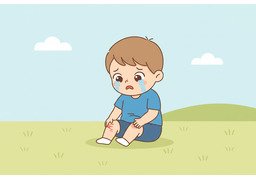
这次事故没有伤害到任何人。zhè cì shì gù méi yǒu shāng hài dào rèn hé rén
No one was hurt in this accident.
A force that damages what keeps a person or thing whole, well, or secure.
故意伤害gù yì shāng hài
intentionally hurt
伤害健康shāng hài jiàn kāng
harm one's health
伤害名誉shāng hài míng yù
damage one's reputation
伤shāng: To injure a person or leave a mark on a physical object.
损害sǔn hài: To impair the normal condition or functioning of a person, thing, or system.
侵害qīn hài: To wrongfully interfere with and harm a person's rights or interests.
使身体或心灵遭受损伤或痛苦,造成机能、名誉或利益的损失。shǐ shēn tǐ huò xīn líng zāo shòu sǔn shāng huò tòng kǔ zào chéng jī néng míng yù huò lì yì de sǔn shī
伤 (shāng, "wound") paired with 害 (hài, "harm") forms a verb for causing injury or loss, rather than merely describing an unpleasant feeling.