

HSK · Level 96
45 words
Search Chinese words by characters, pinyin or English meaning.
Dictionaries
Quick links
Browse
 MotiSpiOfficial conversation app

Chinese word
Pinyinqīn hài
请不要侵害别人的隐私。qǐng bú yào qīn hài bié rén de yǐn sī
Please do not violate other people's privacy.
侵害知识产权会受到法律制裁。qīn hài zhī shí chǎn quán huì shòu dào fǎ lǜ zhì cái
Violating intellectual property rights is punishable by law.
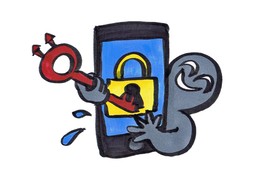
An unwanted intrusion presses into a protected right or interest and weakens its protection.
侵害隐私qīn hài yǐn sī
violate privacy
侵害权益qīn hài quán yì
infringe on rights and interests
侵害名誉qīn hài míng yù
damage reputation
侵犯qīn fàn: Infringe on another person's space, rights, or interests without proper permission.
损害sǔn hài: Bring about damage or loss to a thing, right, or condition.
以侵犯或破坏他人受保护利益为内容的行为,常用于描述对隐私、著作权、商标等法律保护对象的侵入和损害。yǐ qīn fàn huò pò huài tā rén shòu bǎo hù lì yì wèi nèi róng de xíng wéi cháng yòng yú miáo shù duì yǐn sī zhù zuò quán shāng biāo děng fǎ lǜ bǎo hù duì xiàng de qīn rù hé sǔn hài
The compound 侵害 (qīnhài, "violate or harm") joins the ideas of invading and causing harm, which explains its use for protected interests.