

Chinese Conversation · Level 17
90 words
Search Chinese words by characters, pinyin or English meaning.
Dictionaries
Quick links
Browse
 MotiSpiOfficial conversation app

Chinese word
Pinyinshāng
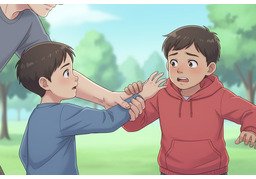
我不想伤你。wǒ bù xiǎng shāng nǐ
I don't want to hurt you.
她在比赛中不小心伤到了脚。tā zài bǐ sài zhōng bù xiǎo xīn shāng dào le jiǎo
She accidentally hurt her foot during the competition.
A change that leaves someone in pain or something in poorer condition, whether the change is intended or accidental.
伤害shāng hài
hurt
被伤害bèi shāng hài
be hurt
伤到脚shāng dào jiǎo
hurt one's foot
伤害shāng hài: Cause physical or emotional harm to a person.
受伤shòu shāng: Become physically injured in an accident or collision.
伤到shāng dào: Hurt or injure a specific part of the body.
弄伤nòng shāng: Cause a bodily injury by handling someone roughly or carelessly.
对他人或物造成伤害或损坏的动作或结果,既包括无意造成的受伤,也包括有意的伤害行为。duì tā rén huò wù zào chéng shāng hài huò sǔn huài de dòng zuò huò jié guǒ jì bāo kuò wú yì zào chéng de shòu shāng yě bāo kuò yǒu yì de shāng hài xíng wéi
伤 (shāng, "hurt") begins with the idea of a bodily wound or blow, then extends to the wider idea of leaving a person or thing harmed.