

Chinese Conversation · Level 12
90 words
Search Chinese words by characters, pinyin or English meaning.
Dictionaries
Quick links
Browse
 MotiSpiOfficial conversation app

Chinese word
Pinyinchéng
现在去机场可以乘地铁更快。xiàn zài qù jī chǎng ké yǐ chéng dì tiě gèng kuài
It is faster to take the subway to the airport now.
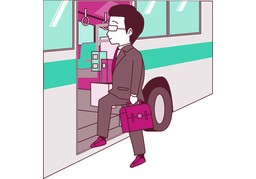
出差时,我常常选择乘高铁去别的城市。chū chāi shí wǒ cháng cháng xuǎn zé chéng gāo tiě qù bié de chéng shì
When on business trips, I often choose to take the high-speed train to other cities.
A person boards a vehicle or climbs onto something, then uses its movement or force to travel onward.
乘地铁chéng dì tiě
take the subway
乘飞机chéng fēi jī
take a plane
乘火车chéng huǒ chē
take a train
坐zuò: Riding in a vehicle as part of ordinary spoken conversation.
乘坐chéng zuò: Taking a vehicle for travel in a relatively formal expression.
搭乘dā chéng: Getting aboard a vehicle and using it to travel onward.
骑qí: Moving on a bicycle, motorcycle, or animal while sitting astride it.
进入交通工具或登上器物,借助其移动或力量从一处到另一处的动作或行为。jìn rù jiāo tōng gōng jù huò dēng shàng qì wù jiè zhù qí yí dòng huò lì liàng cóng yí chù dào lìng yí chù de dòng zuò huò xíng wéi
乘 (chéng, "take") originally meant to climb or mount, and its transport sense grew from getting onto something and using it to move.