

Chinese Conversation · Level 55
90 words
Search Chinese words by characters, pinyin or English meaning.
Dictionaries
Quick links
Browse
 MotiSpiOfficial conversation app

Chinese word
Pinyinchéng kè
火车上乘客很多。huǒ chē shàng chéng kè hěn duō
There are many passengers on the train.
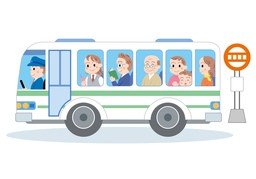
带行李的乘客在安检处排队。dài xíng lǐ de chéng kè zài ān jiǎn chù pái duì
Passengers with luggage are lining up at the security checkpoint.
A person being carried by a vehicle, not operating it or working as part of its service crew.
候车室乘客hòu chē shì chéng kè
passengers in the waiting room
带行李的乘客dài xíng lǐ de chéng kè
passengers with luggage
高铁乘客gāo tiě chéng kè
high-speed rail passengers
旅客lǚ kè: A traveler making a journey by bus, train, plane, or another form of transport.
指在公交、地铁、火车、飞机等交通工具上随车出行的人,强调作为乘坐方而非运营或服务人员的身份。zhǐ zài gōng jiāo dì tiě huǒ chē fēi jī děng jiāo tōng gōng jù shàng suí chē chū xíng de rén qiáng diào zuò wéi chéng zuò fāng ér fēi yùn yíng huò fú wù rén yuán de shēn fèn
乘 (chéng, "ride") + 客 (kè, "guest") combines the act of riding with the idea of an outside visitor to form the person who rides in a vehicle.