

Chinese Conversation · Level 33
90 words
Search Chinese words by characters, pinyin or English meaning.
Dictionaries
Quick links
Browse
 MotiSpiOfficial conversation app

Chinese word
Pinyinchéng chē rén
请系好安全带,乘车人注意安全。qǐng jì hǎo ān quán dài chéng chē rén zhù yì ān quán
Please fasten your seat belt, and passengers should be careful.
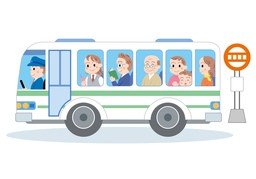
在车厢内,乘车人请勿大声喧哗,注意文明乘车。zài chē xiāng nèi chéng chē rén qǐng wù dà shēng xuān huá zhù yì wén míng chéng chē
In the carriage, passengers should not make loud noises and should behave properly while riding.
A person carried along inside a vehicle rather than operating it.
乘车人须系安全带chéng chē rén xū xì ān quán dài
passenger seat-belt requirement
乘车人凭身份证购票chéng chē rén píng shēn fèn zhèng gòu piào
passenger ticket purchase with ID
乘客chéng kè: A person traveling in a vehicle as a passenger.
旅客lǚ kè: A traveler using transport for a journey, often a longer one.
乘车人是指在车辆上搭乘并随车移动的人。chéng chē rén shì zhǐ zài chē liàng shàng dā chéng bìng suí chē yí dòng de rén
乘车人 (chéngchērén, "person riding in a vehicle") combines 乘 (chéng, "ride") + 车 (chē, "vehicle") + 人 (rén, "person"), forming a direct description of someone traveling in a vehicle.