

Chinese Conversation · Level 39
90 words
Search Chinese words by characters, pinyin or English meaning.
Dictionaries
Quick links
Browse
 MotiSpiOfficial conversation app

Chinese word
Pinyinlǚ kè
旅客请排队上车。lǚ kè qǐng pái duì shàng chē
Passengers, please line up to board.
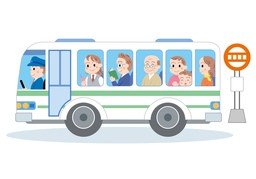
到站时,旅客下车。dào zhàn shí lǚ kè xià chē
When the vehicle arrives at the station, passengers get off.
A traveler being carried from one place to another by a bus, train, plane, or ship.
旅客上车lǚ kè shàng chē
passenger boards
旅客下车lǚ kè xià chē
passenger gets off
旅客排队lǚ kè pái duì
passenger lines up
乘客chéng kè: A person riding in a bus, train, plane, ship, or other vehicle.
旅行者lǚ xíng zhě: A person who is traveling from one place to another.
游客yóu kè: A person who visits places for sightseeing.
指乘坐交通工具的人,常用于车站、机场等正式场合。zhǐ chéng zuò jiāo tōng gōng jù de rén cháng yòng yú chē zhàn jī chǎng děng zhèng shì chǎng hé
旅 (lǚ, "travel") + 客 (kè, "guest") forms the idea of a guest away from home who is moving between places, which suits someone using public transport.