


English–Chinese
“embarrassed” in Chinese
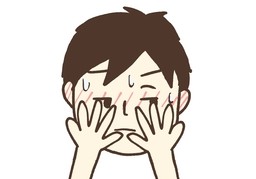
How to say “embarrassed” in Chinese
“Embarrassed” in Chinese is 害臊 (hài sào).
A self-conscious feeling that makes the body draw in, the face heat up, and speaking or eye contact become difficult.
Example sentences with 害臊
他夸我画得好,我有点儿害臊。tā kuā wǒ huà de hǎo wǒ yóu diǎnr hài sào
He praised my drawing, and I felt a little embarrassed.
Tips for using 害臊
- Its informal tone suits everyday talk about personal feelings, but a more neutral word is safer in formal writing.
Other Chinese words for “embarrassed”
被抓到说谎后,他感到很难堪。bèi zhuā dào shuō huǎng hòu tā gǎn dào hěn nán kān
After he was caught lying, he felt very embarrassed.
听了夸奖,我有点儿难为情。tīng le kuā jiǎng wǒ yóu diǎnr nán wéi qíng
After hearing the praise, I felt a little embarrassed.