

HSK · Level 85
45 words
Search Chinese words by characters, pinyin or English meaning.
Dictionaries
Quick links
Browse
 MotiSpiOfficial conversation app

Chinese word
Pinyinhài sào
我见到他就害臊,说不出话来。wǒ jiàn dào tā jiù hài sào shuō bù chū huà lái
When I see him, I get embarrassed and cannot say a word.
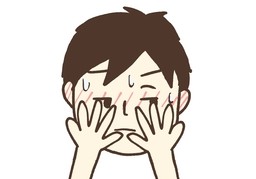
他夸我画得好,我有点儿害臊。tā kuā wǒ huà de hǎo wǒ yóu diǎnr hài sào
He praised my drawing, and I felt a little embarrassed.
A self-conscious feeling that makes the body draw in, the face heat up, and speaking or eye contact become difficult.
感到害臊gǎn dào hài sào
feel embarrassed
有点儿害臊yóu diǎnr hài sào
a little embarrassed
害臊得要命hài sào de yào mìng
extremely embarrassed
害羞hài xiū: Feeling shy and unsettled when receiving attention from other people.
尴尬gān gà: Feeling uncomfortable because a social situation has become awkward or tense.
难为情nán wéi qíng: Feeling embarrassed and unable to relax when put in front of other people.
羞愧xiū kuì: Feeling deep shame and regret about one's own mistake or wrongdoing.
感到害羞、尴尬而不自然,常伴随面部发热、低头或回避眼神等反应。gǎn dào hài xiū gān gà ér bú zì rán cháng bàn suí miàn bù fā rè dī tóu huò huí bì yǎn shén děng fǎn yìng
害臊 (hàisào, "embarrassed") combines 害 (hài, "be troubled by") with 臊 (sào, "shame"), presenting shame as an uncomfortable feeling that affects behavior.