


English–Chinese
“awkward” in Chinese
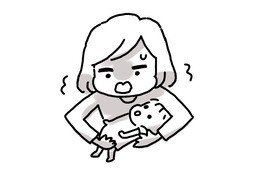
How to say “awkward” in Chinese
“Awkward” in Chinese is 别扭 (biè niǔ).
A slight twist away from the natural direction makes an interaction, expression, or object feel hard to accept.
Example sentences with 别扭
他说话的时候常常笑得很别扭。tā shuō huà de shí hòu cháng cháng xiào de hěn biè niǔ
When he speaks, he often smiles awkwardly.
Tips for using 别扭
- English learners often expect this adjective to describe only social situations, but Chinese also applies it to wording, actions, designs, and objects that do not feel natural.
Other Chinese words for “awkward”

大家都沉默,场面很尴尬。dà jiā dōu chén mò chǎng miàn hěn gān gà
Everyone was silent, and the atmosphere was very awkward.
见面时她显得很拘束。jiàn miàn shí tā xiǎn de hěn jū shù
She seemed very awkward when they met.