

Chinese Conversation · Level 52
90 words
Search Chinese words by characters, pinyin or English meaning.
Dictionaries
Quick links
Browse
 MotiSpiOfficial conversation app

Chinese word
Pinyinbiè niǔ
他的话让我觉得很别扭。tā de huà ràng wǒ jué de hěn biè niǔ
His words make me feel very awkward.
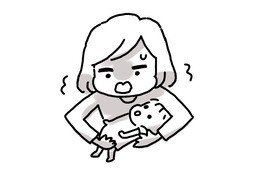
他说话的时候常常笑得很别扭。tā shuō huà de shí hòu cháng cháng xiào de hěn biè niǔ
When he speaks, he often smiles awkwardly.
A slight twist away from the natural direction makes an interaction, expression, or object feel hard to accept.
别扭的表情biè niǔ de biǎo qíng
an awkward expression
笑得很别扭xiào de hěn biè niǔ
smile awkwardly
动作很别扭dòng zuò hěn biè niǔ
move awkwardly
尴尬gān gà: Feeling awkward and embarrassed in a social situation.
难堪nán kān: Feeling ashamed and uneasy because a situation is hard to face.
不舒服bù shū fú: Feeling uncomfortable in the body or mind, with little sense of ease.
难受nán shòu: Feeling unwell or distressed in the body or mind.
对言行、场面或物品感到不自然或不舒服,往往带有轻微的抵触感。duì yán xíng chǎng miàn huò wù pǐn gǎn dào bú zì rán huò bù shū fú wáng wǎng dài yǒu qīng wēi de dǐ chù gǎn
The word is a colloquial compound of 别 (bié, "separate") and 扭 (niǔ, "twist"), an image of a twisted mismatch that develops into the sense of discomfort.