

HSK · Level 64
105 words
Search Chinese words by characters, pinyin or English meaning.
Dictionaries
Quick links
Browse
 MotiSpiOfficial conversation app

Chinese word
Pinyinjū shù
见面时她显得很拘束。jiàn miàn shí tā xiǎn de hěn jū shù
She seemed very awkward when they met.
面试时他感到很拘束。miàn shì shí tā gǎn dào hěn jū shù
He felt very awkward during the interview.
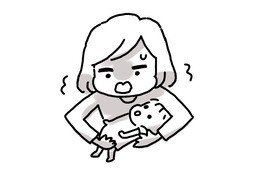
A person seems tied up inside, with fear or formality making movement and expression unnatural.
感到拘束gǎn dào jū shù
feel awkward
显得拘束xiǎn de jū shù
seem awkward
觉得拘束jué de jū shù
feel awkward
紧张jǐn zhāng: A restless, anxious feeling that prevents the mind from relaxing.
不自在bú zì zài: A lack of ease that makes natural movement or behavior difficult.
尴尬gān gà: An embarrassed state that makes speech, expressions, or actions awkward.
拘谨jū jǐn: A formally polite manner that seems stiff, restrained, and cautious.
因为害怕、拘谨或场合正式而表现得不自然、局促或不放松。yīn wèi hài pà jū jǐn huò chǎng hé zhèng shì ér biǎo xiàn de bú zì rán jú cù huò bú fàng sōng
拘 (jū, "hold") + 束 (shù, "bind") first suggests being held and bound, then extends to behavior that cannot relax naturally.