

Japanese Conversation · Level 85
60 words
Search Japanese words as written, in romaji or by English meaning.
Dictionaries
Quick links
Browse
 MotiSpiOfficial conversation app

Japanese word
Romajisawagi
近所で騒ぎが起きています。kin jo de sawa gi ga o ki te i ma su
There is a commotion in the neighborhood.
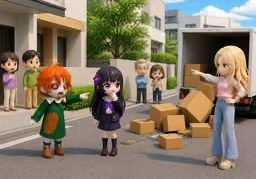
会場の外で騒ぎが続いていたので、係員が人々を中へ案内しました。kai jō no soto de sawa gi ga tsuzu i te i ta no de kakari in ga hito bito o naka e an nai shi ma shi ta
The commotion continued outside the venue, so the staff guided people inside.
It centers on a disturbance that draws attention through noisy activity and a loss of calm.
騒ぎになるsawa gi ni na ru
turn into an uproar
騒ぎを起こすsawa gi o o ko su
cause a commotion
騒ぎが収まるsawa gi ga osa ma ru
the commotion dies down
騒ぎを鎮めるsawa gi o shizu me ru
quell the commotion
騒動sōdō: A public disturbance involving noisy activity and a loss of calm.
大騒ぎōsawagi: A large and noticeable fuss caused by noisy or excited activity.
もめ事momegoto: A dispute or trouble between people that causes disruption.
多くの人が騒ぎ立て、落ち着かない状況や出来事。ō ku no hito ga sawa gi ta te o chi tsu ka na i jō kyō ya de ki goto
騒ぎ (sawagi) is formed from 騒ぐ (sawagu, "to make noise") by using the verb's continuative form as a noun.